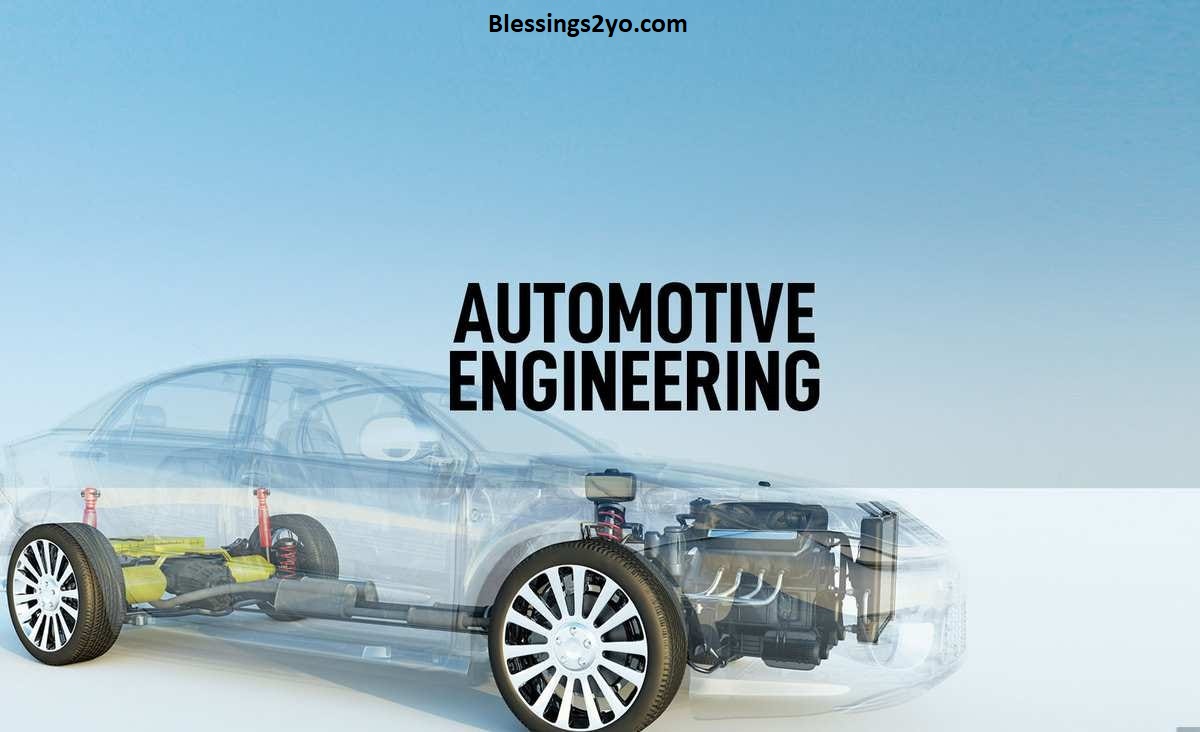
Automotive technology has changed the way we travel, making vehicles safer, more efficient, and more comfortable than ever before.
Whether you own a family car, an SUV, a motorcycle, or a pickup truck, understanding basic automotive care can help you save money and extend your vehicle’s lifespan.
Regular maintenance, such as changing the engine oil, checking tire pressure, inspecting brakes, and replacing worn-out filters, keeps your vehicle running smoothly.
Staying informed about the latest automotive trends, electric vehicles, and smart driving features also helps you make better decisions when buying or upgrading a vehicle while improving safety and overall driving performance.
Table of Contents
Quick Table
| Topic | Details |
|---|---|
| Keyword | Automotive |
| Category | Automotive & Vehicles |
| Purpose | Vehicle maintenance, buying guides, and industry updates |
| Best For | Car owners, new drivers, auto enthusiasts |
| Key Benefits | Better performance, improved safety, lower maintenance costs |
| Common Topics | Car maintenance, repairs, EVs, accessories, insurance, driving tips |
| Maintenance Frequency | Every 5,000–10,000 km (varies by vehicle) |
| Popular Vehicle Types | Sedan, SUV, Hatchback, Truck, Motorcycle, Electric Vehicle |
| Essential Checks | Engine oil, brakes, tires, battery, coolant |
| Goal | Keep vehicles safe, reliable, and efficient |
What Buying My First Used Car Taught Me
I still remember standing in a gravel lot on a Saturday afternoon, staring at a silver Honda Civic that “only had one previous owner.” The seller was friendly. The car smelled like pine air freshener. And I was so excited to finally own something with four wheels that I almost forgot to check if it actually ran well.
Spoiler: it didn’t. Three weeks later I was sitting on the side of the highway with a check engine light blinking at me like it was mocking my life choices.
That was almost seven years ago, and since then I’ve bought and sold five used cars — for myself, my brother, and a couple of friends who dragged me along because “you know cars now.” I don’t, not really. I’m not a mechanic. But I’ve made enough mistakes to know what actually matters when you’re buying a used vehicle, and what’s just noise.
So if you’re about to hand over your hard-earned cash for someone else’s old car, here’s everything I learned the hard way.
The Mistake That Cost Me the Most
Let’s start with my Civic story, because it taught me the biggest lesson of all: never trust a car just because it looks clean.
That car had been detailed within an inch of its life. New air freshener, vacuumed carpets, shiny tires. It looked better than my own car at the time. What I didn’t know is that a lot of sellers (private and dealers) will spend $40 on a detail to distract you from a $2,000 problem hiding underneath.
Turns out my Civic had a slow transmission fluid leak that the seller either didn’t know about or conveniently didn’t mention. I found out because a mechanic friend happened to glance under it while helping me load groceries a month later. By then the warranty window (if there ever was one) had closed.
Lesson: a clean car tells you nothing about mechanical health. Absolutely nothing.
Step 1: Always Get a Pre-Purchase Inspection
I don’t care how good the deal looks or how nice the seller seems. Before you hand over money, pay an independent mechanic to inspect the car. This usually costs somewhere between $100 and $200, and it is the best money you will ever spend.
Here’s how I do it now:
- Find a local mechanic shop (not the seller’s “guy”) through Google reviews or apps like RepairPal.
- Call ahead and ask if they do pre-purchase inspections — most independent shops do.
- Bring the car in, or if it’s a private seller, ask them to meet you there. If they refuse, that’s your answer right there.
- Get the full report — engine, transmission, brakes, suspension, frame, and any signs of prior accident damage.
A good mechanic caught a bent frame on a truck my brother almost bought. The seller swore it had “never been in an accident.” The frame said otherwise.
Step 2: Run the VIN Before You Even Go See the Car
This is the step people skip because it feels like extra work, but it takes five minutes and can save you from wasting a whole afternoon.
Use a site like Carfax or AutoCheck (some dealers even give you a free report, so ask). Punch in the VIN and look for:
- Accident history
- Number of previous owners
- Whether it was ever labeled a salvage or rebuilt title
- Service records, if listed
- Odometer inconsistencies
I once found a car with three “owners” in under two years. That’s a giant red flag. Cars don’t usually change hands that fast unless something’s wrong with them — or someone’s flipping them without fixing the actual issue.
Step 3: Check the Basics Yourself Before Calling a Mechanic
You don’t need to be a car expert to catch obvious problems. Before you even schedule an inspection, do a quick walkaround. It’ll save you time on cars that are clearly not worth pursuing.
Here’s my personal checklist:
- Tires — uneven wear can mean alignment or suspension issues.
- Under the hood — look for fresh fluid stains, dry or cracked belts, or corrosion around the battery.
- Exhaust — start the car cold and check the color of the smoke. Blue smoke usually means burning oil. White smoke that doesn’t go away could mean a coolant issue.
- Dashboard lights — if the check engine light is taped over (yes, this happens), walk away immediately.
- Test drive on real roads — not just the parking lot. Get it on the highway if you can. Listen for clunks, feel for pulling to one side when braking, and pay attention to how it shifts.
I use a cheap Bluetooth OBD2 scanner now (mine’s a BlueDriver, but there are cheaper options like FIXD) that plugs into the car’s diagnostic port. It syncs to an app on my phone and shows me any stored error codes, even ones that were cleared right before I looked at the car. Sellers sometimes clear codes to hide a problem temporarily — the scanner still shows “pending” codes in a lot of cases.
Step 4: Negotiate With Facts, Not Feelings
I used to be terrible at negotiating because I’d get emotionally attached to a car before I even test drove it. Big mistake. Sellers can sense that, and it kills your leverage.
Now I walk in with printed comparisons from KBB (Kelley Blue Book) and Edmunds showing what similar cars are actually selling for in my area. If the inspection turned up anything — worn brake pads, an aging battery, tires that need replacing soon — I bring that up specifically and ask for a price adjustment instead of just saying “can you do better?”
One time this got me $800 off a car because the inspection showed the timing belt was due for replacement soon, and that’s not a cheap job.
Real Example: The Toyota That Almost Got Away
A friend of mine, Sara, found a 2016 Toyota Corolla listed way under market price. Naturally, we were suspicious. Turned out the previous owner just needed cash fast after a move and genuinely didn’t inflate the price. The VIN report was clean, the mechanic gave it a thumbs up aside from needing new brake pads soon, and the test drive was smooth.
She bought it, negotiated $300 off for the brakes, and that car is still running great three years later. Not every used car story ends in disaster — sometimes doing the boring due-diligence steps actually pays off exactly the way it’s supposed to.
Common Mistakes People Make (I’ve Done Most of These)
- Buying at night. Cosmetic damage and paint mismatches are way harder to spot under bad lighting or streetlights.
- Skipping the test drive on the highway. Parking lot driving hides a lot of issues, especially at higher speeds.
- Not asking for maintenance records. A seller who has oil change receipts and service history is almost always more trustworthy than one who says “I don’t really remember.”
- Rushing because you’re worried someone else will buy it first. I get it, but a rushed decision on a car you’ll own for years is rarely worth it.
- Ignoring the smell. A musty or moldy smell can mean previous flood damage, which is a nightmare for electronics and rust down the line.

FAQs
What does automotive mean?
Automotive refers to everything related to motor vehicles, including cars, trucks, motorcycles, their parts, maintenance, repairs, and the overall automobile industry.
Why is regular automotive maintenance important?
Regular maintenance helps improve vehicle performance, increases fuel efficiency, extends engine life, reduces repair costs, and keeps your vehicle safe on the road.
How often should I service my vehicle?
Most vehicles should be serviced every 5,000–10,000 kilometers or according to the manufacturer’s maintenance schedule. Always check your owner’s manual for the recommended interval.
What are the most important automotive maintenance tasks?
Essential maintenance includes changing engine oil, checking tire pressure, inspecting brakes, replacing air filters, monitoring coolant levels, and testing the battery regularly.
What should I consider before buying a new vehicle?
Consider your budget, fuel efficiency, maintenance costs, safety features, reliability, warranty, resale value, and whether a gasoline, hybrid, or electric vehicle best fits your needs.
Conclusion
Automotive knowledge is valuable for every vehicle owner, whether you drive daily or only on weekends. Understanding the basics of vehicle maintenance, safe driving practices, and modern automotive technology can help you avoid costly repairs while improving your driving experience.
Simple habits such as checking tire pressure, changing engine oil on time, and inspecting brakes can make a significant difference in your vehicle’s performance and lifespan.
The automotive industry continues to evolve with innovations like electric vehicles, hybrid technology, advanced safety systems, and smart connectivity features.
Staying informed about these developments allows you to make better decisions when purchasing, maintaining, or upgrading your vehicle. It also helps you adapt to changing transportation trends and environmental standards.
Whether your goal is to save money, improve fuel efficiency, or keep your family safe on the road, investing time in proper automotive care is always worthwhile. Regular maintenance not only protects your investment but also provides peace of mind every time you drive.
By following recommended service schedules and adopting responsible driving habits, you can enjoy a smoother, safer, and more reliable driving experience for many years to come.